
Why Robotics Is Shaping the Future
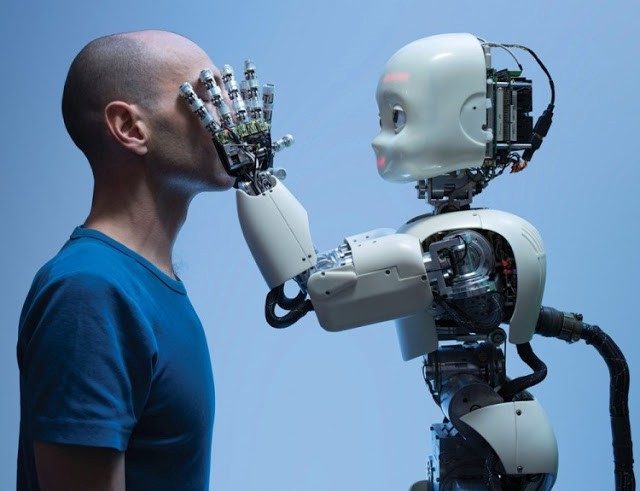
Robotics is no longer limited to science fiction or high-end laboratories. From factories and hospitals to homes and smartphones, robotics is becoming a core part of modern life. As automation, artificial intelligence, and smart machines continue to evolve, robotics stands at the center of this technological revolution.
Whether you are a student, a tech enthusiast, or someone looking to build a future-proof career, learning robotics opens doors to innovation, creativity, and global opportunities.
In this blog, we’ll explore what robotics is, why it matters, real-world applications, and a step-by-step guide on how you can start learning robotics from scratch.
What Is Robotics?
Robotics is a branch of technology that deals with the design, construction, programming, and operation of robots. A robot is a programmable machine capable of performing tasks automatically or semi-automatically, often mimicking human actions.
Robotics combines multiple disciplines, including:
Mechanical engineering
Electronics and hardware design
Computer programming
Artificial intelligence and machine learning
This multidisciplinary nature makes robotics one of the most exciting and high-impact fields today.
Why Robotics Is Important in Today’s World
Robotics is transforming industries by improving efficiency, safety, and accuracy. Here’s why robotics matters more than ever:
1. Automation and Productivity
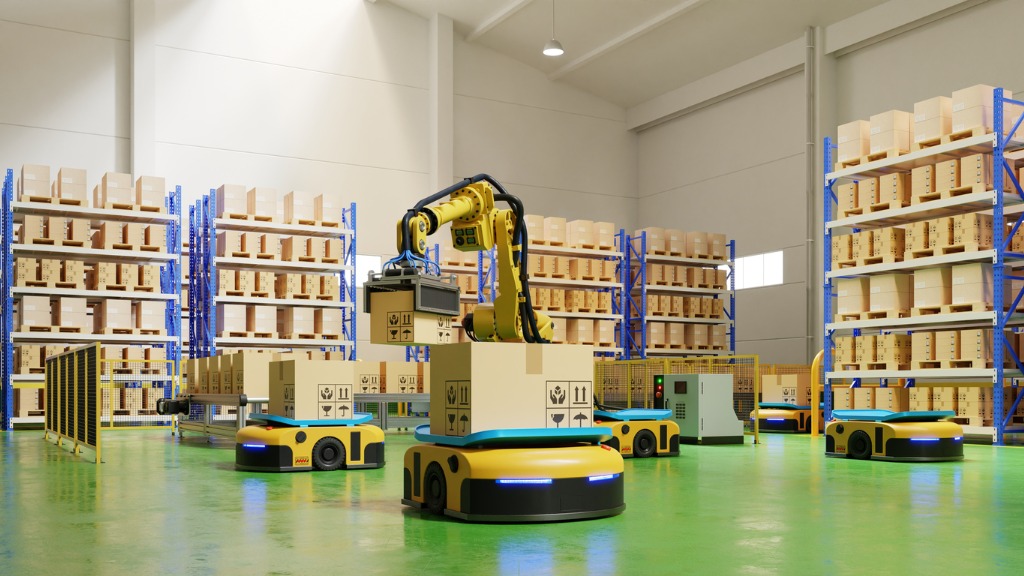
Robots can perform repetitive and complex tasks faster and more accurately than humans, boosting productivity in manufacturing, logistics, and agriculture.
2. Safety and Risk Reduction
Robots handle dangerous jobs such as mining, chemical handling, space exploration, and disaster recovery, reducing risks to human lives.
3. Innovation and Smart Solutions
Robotics fuels innovation in healthcare, education, transportation, and smart homes, making everyday life more efficient and intelligent.
4. Career and Business Opportunities
With rising demand for automation, robotics professionals are highly sought after across industries worldwide.
Real-World Applications of Robotics


Industrial Robotics
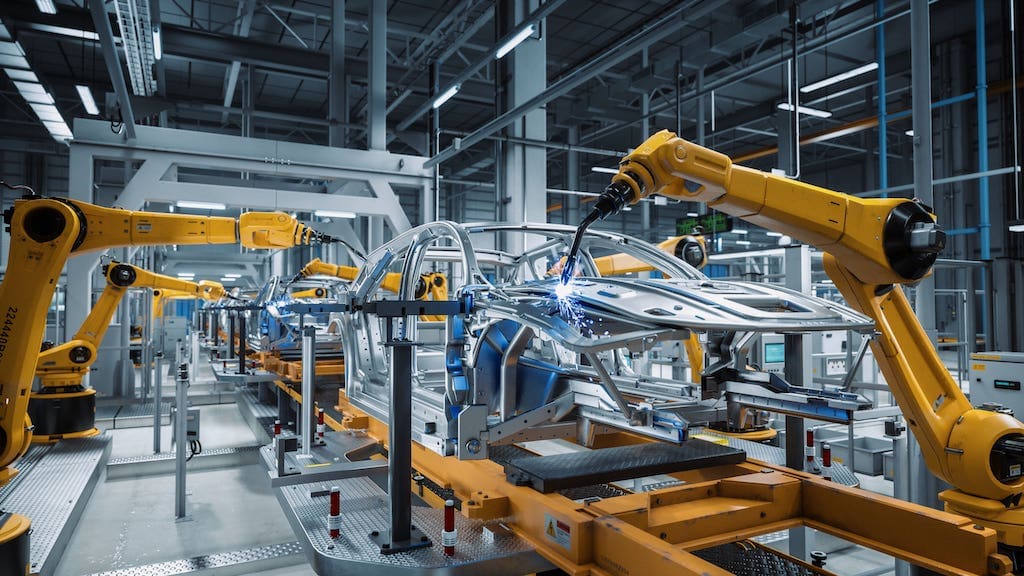
Used in factories for assembly, welding, painting, and packaging, industrial robots form the backbone of modern manufacturing.
Medical Robotics
Robotic systems assist surgeons with high-precision operations, rehabilitation, and patient care.
Service and Home Robots
From robotic vacuum cleaners to customer-service bots, robots are entering everyday life.
Agricultural Robotics
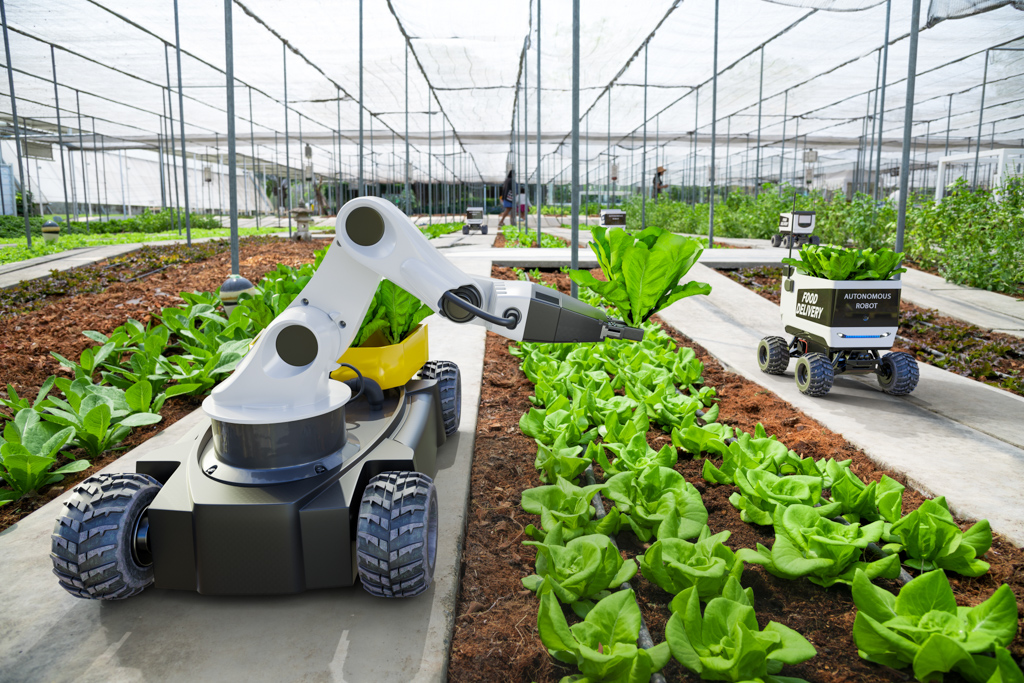
Robots help with planting, harvesting, crop monitoring, and precision farming.
Educational and Research Robotics
Robotics is widely used in schools and research labs to teach problem-solving, coding, and engineering concepts.
How to Start Learning Robotics (Beginner-Friendly Guide)
Step 1: Understand the Basics
Start with fundamental concepts:
What robots are and how they work
Basic electronics (sensors, motors, circuits)
Simple programming logic
You don’t need an engineering degree to begin—curiosity is enough.
Step 2: Learn a Programming Language
Programming is the brain of robotics. Beginner-friendly languages include:
Python (easy and widely used)
C/C++ (commonly used in embedded systems)
Focus on logic, loops, and problem-solving rather than memorizing syntax.
Step 3: Get Hands-On with Simple Kits
Begin with entry-level robotics kits or microcontrollers. These help you learn:
Motor control
Sensor integration
Real-time problem solving
Hands-on learning accelerates understanding far better than theory alone.
Step 4: Explore Electronics and Hardware
Learn basic electronics concepts:
Voltage, current, and resistance
Breadboards and circuit diagrams
Sensors (distance, temperature, motion)
This knowledge helps you design and troubleshoot robots effectively.
Step 5: Build Small Projects
Start with simple projects like:
Line-following robot
Obstacle-avoiding robot
Smart light or alarm system
Small wins build confidence and practical skills.
Step 6: Learn About AI and Automation
As you progress, explore:
Artificial intelligence basics
Machine learning concepts
Computer vision
These skills enable robots to make decisions rather than just follow instructions.
Skills Required to Succeed in Robotics
To grow in robotics, focus on:
Logical thinking and problem-solving
Creativity and experimentation
Continuous learning mindset
Teamwork and documentation
Robotics rewards those who enjoy building, testing, and improving ideas.
Career Opportunities in Robotics
Robotics offers diverse career paths such as:
Robotics engineer
Automation engineer
Embedded systems developer
AI and robotics researcher
Product designer and innovator
With automation expanding globally, robotics professionals are in long-term demand.
Future of Robotics
The future of robotics includes:
Smarter AI-powered robots
Human-robot collaboration
Autonomous vehicles and drones
Advanced healthcare automation
As technology evolves, robotics will continue to redefine how humans work and live.
So Robotics,
Robotics is not just a technology—it’s a gateway to innovation and problem-solving in the modern world. You don’t need expensive equipment or advanced degrees to begin. With curiosity, consistency, and hands-on practice, anyone can start learning robotics and build meaningful solutions.
If you’re looking for a field that blends creativity, technology, and future-ready skills, robotics is the perfect place to start.
Comments
Post a Comment